Choosing the Finest Paper and Cardstock for Your Event Stationery
When it comes to printing stationery for an important event, the paper you choose sets the tone before a single word is read. Whether you are printing wedding invitations, baptism programs, or baby announcements, the right cardstock can make your stationery look and feel truly special. This guide will walk you through everything you need to know, from where to buy it to how to choose the right type and weight.
What Is Cardstock?
Cardstock is a heavier variety of paper that is essential for printing invitations and event stationery. It is thicker than regular computer paper but not as thick as cardboard, which means it can hold various inks and printing styles without falling apart. It also has a more luxurious feel without being prohibitively expensive.
Where to Buy Cardstock
Although many office supply and craft stores carry cardstock, online retailers are your best choice for quality, price, and selection. Here are some of my favorite places to shop (in no particular order):
- Cards and Pockets
- Paper Source
- Cardstock Warehouse
- Envelopes.com
- Fine Cardstock
- LCI Paper
- JAM Paper
- Neenah Paper
Step 1: Decide Where You Will Print
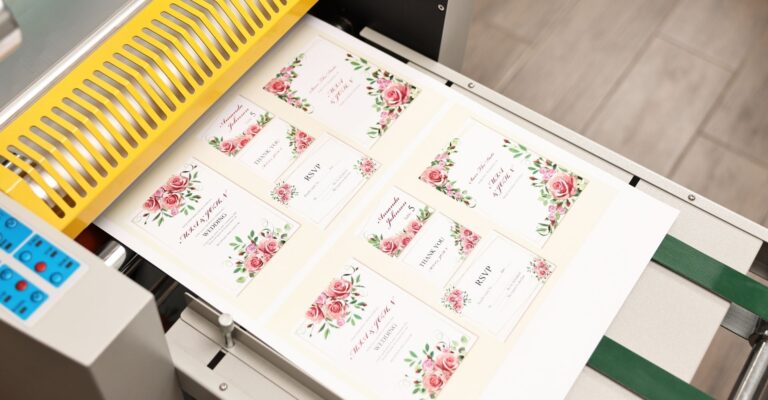
The type of printer you use has a lot to do with your final print quality, so this is the first decision to make.
Printing at Home
If you plan to print at home, keep these things in mind:
- Home inkjet printers are not as sharp as commercial printers and may not produce perfectly crisp results. Using a textured cardstock can help hide minor imperfections.
- Inkjet printers may struggle with thicker cardstocks. Start with 80# paper and work up to 100-120# if possible to make sure the paper feeds through without jamming.
Printing at a Print Shop
If you plan to use a professional print shop, here is what to know:
- Laser printers apply a layer of ink on top of the paper. On some paper types like shimmery cotton or vellum, the ink can flake off, so ask about this before you commit.
- Many shops will not print oddly sized stationery or envelopes. They may require you to print on standard 8.5″ x 11″ sheets and trim them down.
- Commercial printers can handle thicker papers. Start at 100# cardstock.
- Always ask the staff for their recommendations. They know their equipment best.
Step 2: Choose Your Cardstock Type
Cardstock varies by material, texture, feel, and price. Here are the main types to consider.
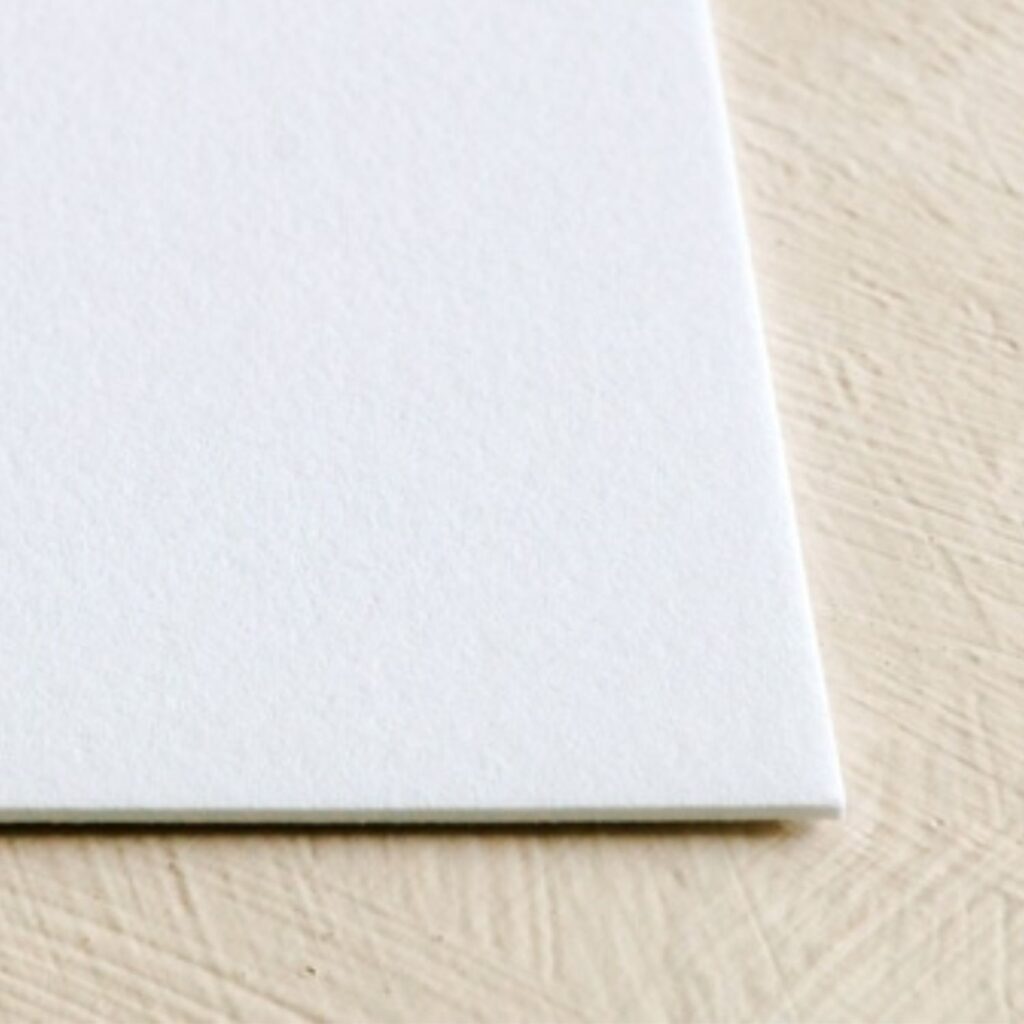
Solid White Cardstock
This affordable, medium to heavy weight paper is made from tree pulp and has a smooth, matte finish. It comes in many colors and weights and is perfect for printing at home.
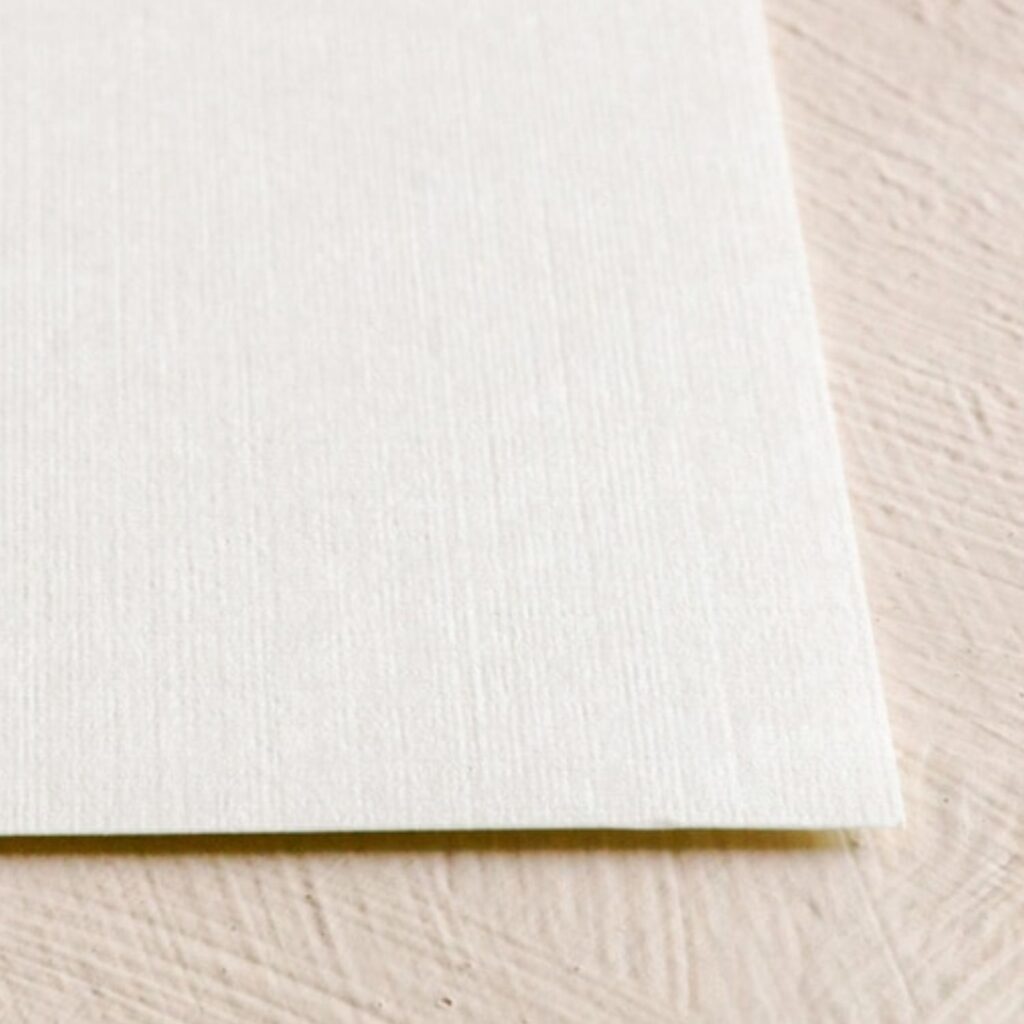
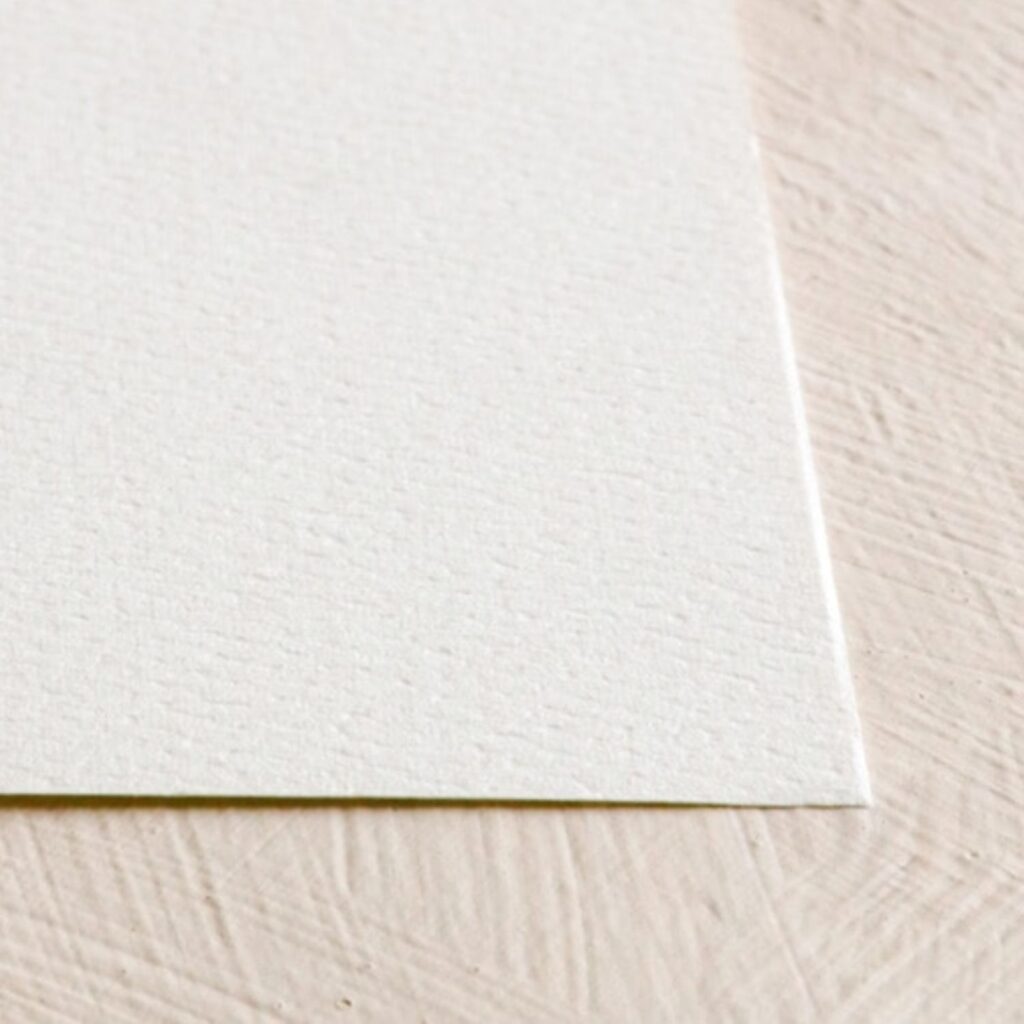
Linen Cardstock
Linen cardstock has a basket weave texture that resembles linen fabric and has a matte finish. That texture is great for hiding minor printing imperfections and adds a lovely visual interest.
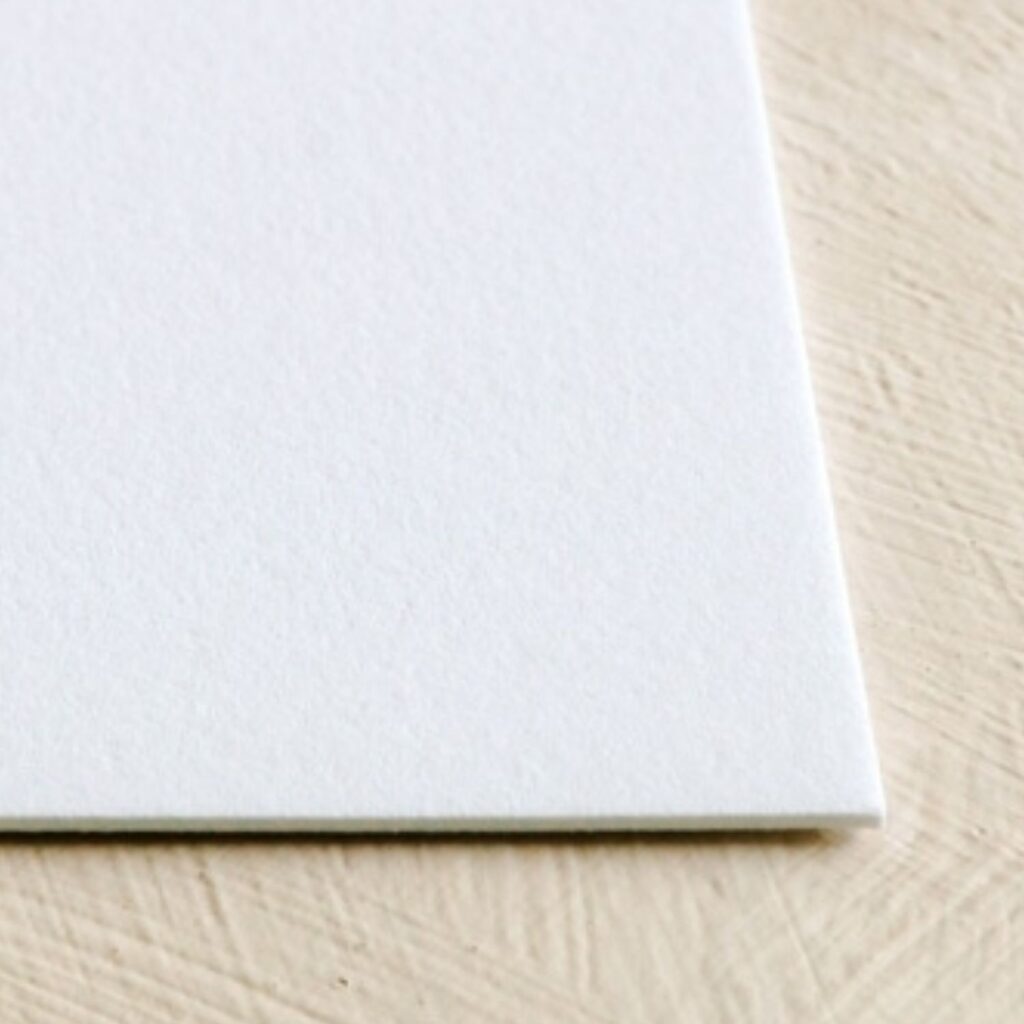
Cotton Cardstock
Cotton cardstock is smooth but highly absorbent, making it great for both laser and inkjet printing. It has a clean, modern look and feel and is considered “photo safe,” meaning it will not damage photographs over time.
Felt Cardstock
Felt cardstock has a smooth yet coarse texture somewhere between cotton and canvas. It gives stationery an air of sophistication. The lowest weight it comes in is 110#, so it may jam a home printer.
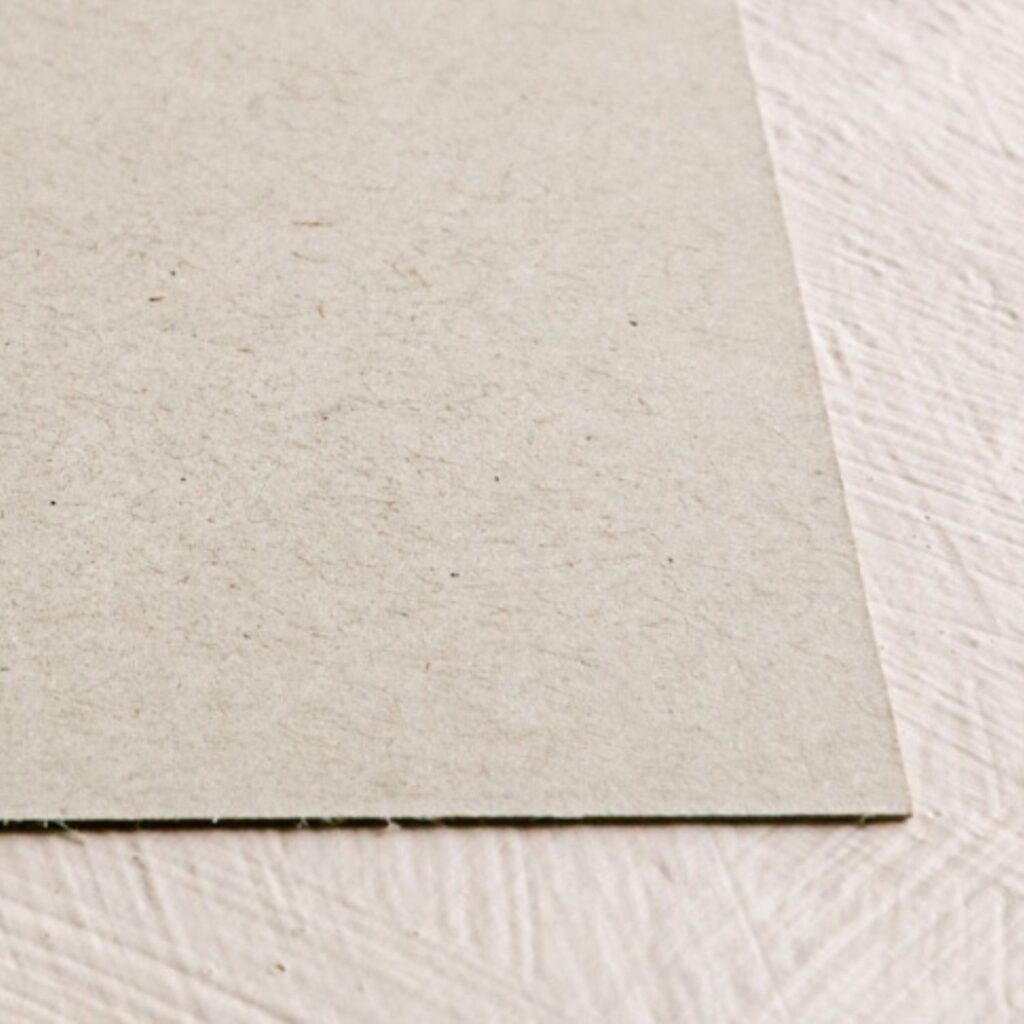
Kraft Cardstock
Kraft cardstock is recycled and has a rustic, earthy look that resembles coarse grocery bag paper, but thicker and more polished. It is perfect for vintage or rustic themed events.
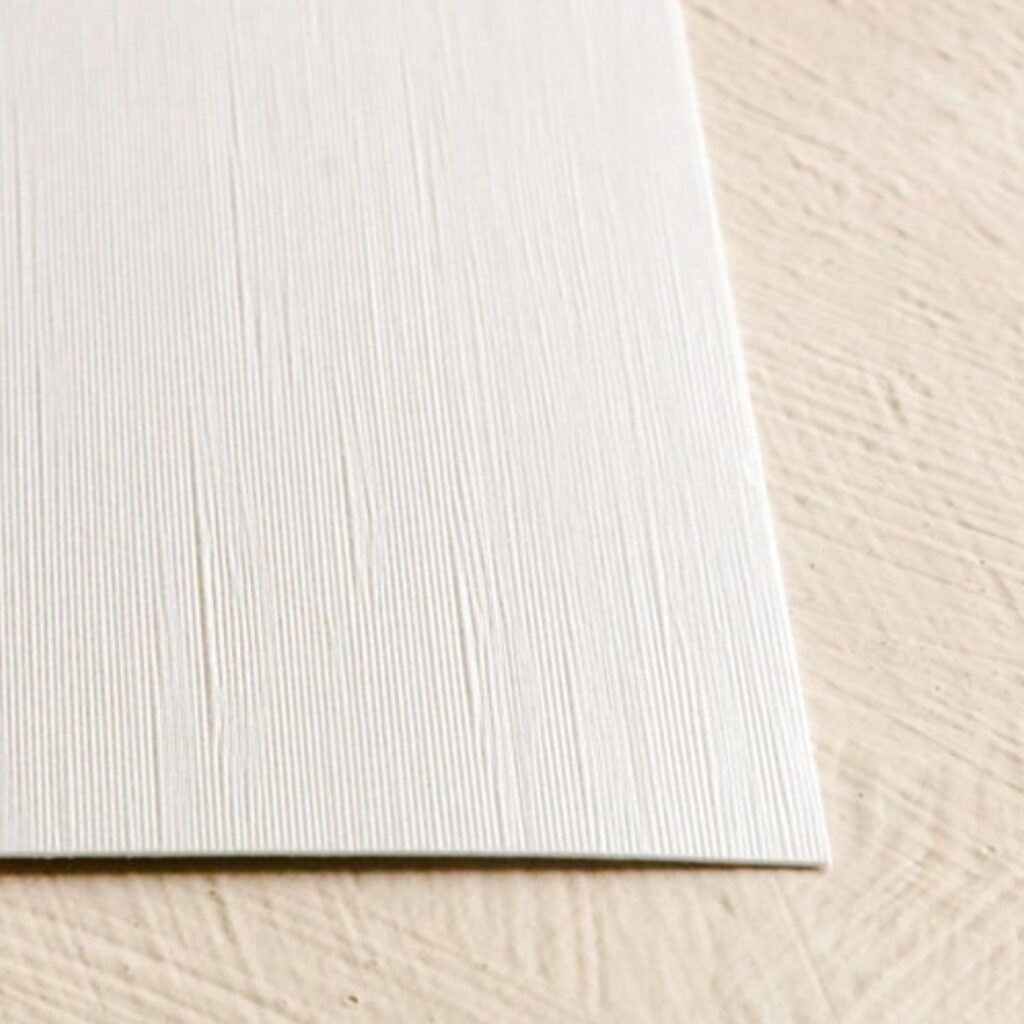
Laid Cardstock
Laid cardstock is not as well known as the others, but it is worth discovering. It has subtle vertical ridges that run the length of the sheet, giving it a soft, romantic, and luxurious feel that is perfect for elegant events.
Step 3: Choose Your Cardstock Weight
Once you have chosen your cardstock type, it is time to choose the weight, or thickness.
In the U.S., cardstock is measured in pounds, also shown as # or lb. Internationally, it is measured in Grams per Square Metre, or GSM. Both measurements are included below since GSM is the more reliable international standard.
Important: A sheet of 80# “text weight” paper is completely different from 80# “cardstock” paper. Always make sure you are buying “cover weight” or “cardstock” paper.
A good rule of thumb is that the higher the weight in pounds, the thicker the cardstock. The thicker the cardstock, the better your stationery will look and feel, especially if you are printing it yourself.
Here is how the different weights compare:
80# cardstock (215 GSM) is ideal for most home printers. It is a little on the thin side but feeds through most desktop printers easily.
92# cardstock (250 GSM) works in some home printers but may cause problems in others. It is heavy enough to give your stationery a professional look while still light enough to mail with a single stamp.
110# cardstock (300 GSM) is the heaviest weight you can likely print at home, though it may require industrial printers like those at a print shop. This weight gives your invitations the most professional look, so if you can print this high, I recommend it.
130# cardstock (350 GSM) and up should be reserved for professional printers, embossers, and letterpress printing.
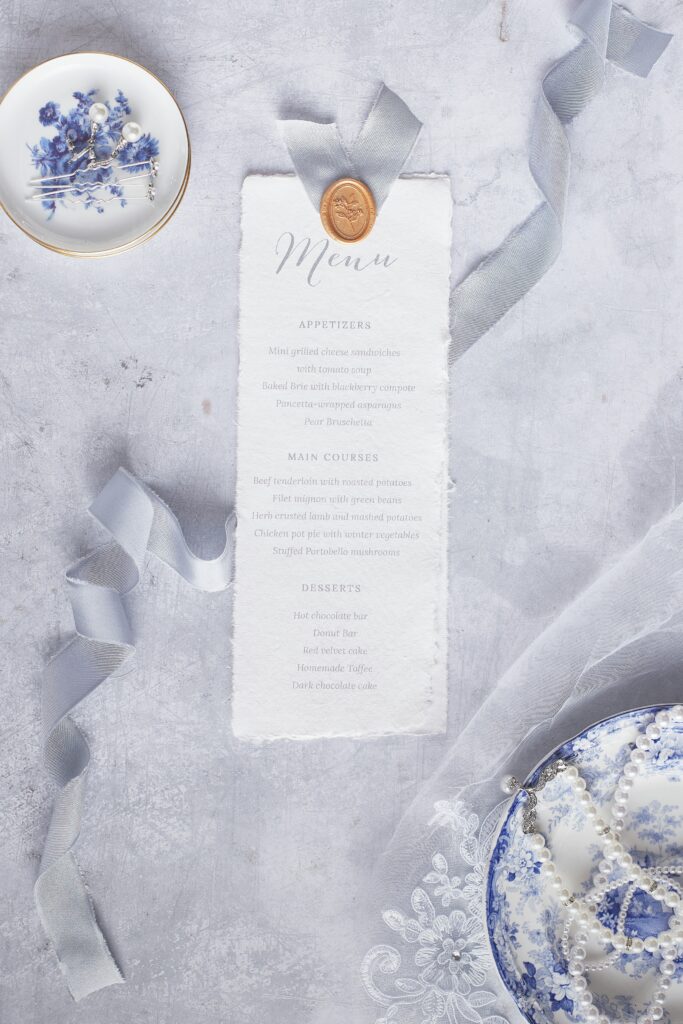
A Note on Handcrafted Deckle Edge Paper
If you want something truly unique, consider handcrafted deckle edge paper. This beautiful paper is often made from tree-free fibers such as cotton, abaca, or hemp. The term “deckle edge” refers to the distinctive feathery edge that forms naturally during the papermaking process. A true deckle edge is only achieved when the paper is made to the specific card size rather than torn down from a larger sheet.
Here are some suppliers to explore:
- Feathers & Stone
- Botanical Paperworks
- Porridge Papers
- Indian Cotton Paper Co
- Silk & Willow
- Paper Craft Miracles
Choosing the right paper and cardstock does not have to be overwhelming. Start with your printer, then narrow down your type and weight from there. With the right paper, your stationery will look every bit as beautiful as the event it celebrates.
If you are working with one of my Canva templates and have questions, feel free to reach out. I am always happy to help.